
Meet Amanda Hotchkiss
MSW, LCSW
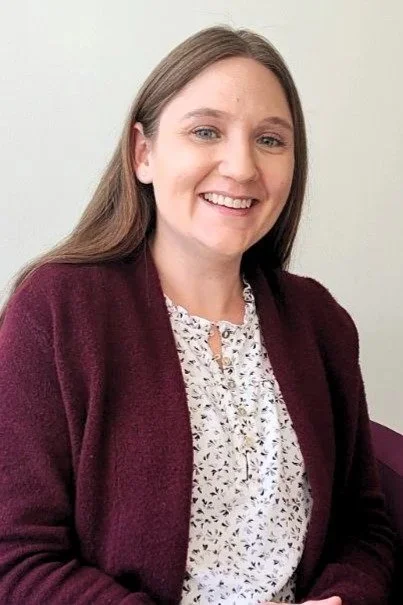
With more than 20 years of experience working with older adults, Amanda knows that aging rarely brings just one change at a time. A new diagnosis, a spouse who is gone, a body that doesn’t cooperate the way it used to, fading eyesight, a set of car keys you’ve been asked to give up. These things pile up, and they affect how you see yourself and your future. Amanda provides warm, collaborative therapy for older adults and the families who love them, helping people steady themselves through these changes and find meaning in what comes next.
Amanda has spent much of her career supporting people living with serious and chronic health conditions, including cancer, multiple sclerosis, diabetes, kidney disease, hypertension, vision loss, and mobility limitations. She understands that a diagnosis affects more than the body. It can bring fear, frustration, grief, and a sense of losing control. Additionally, it often changes the lives of spouses, adult children, and other family members, too. Whether you’re facing a new diagnosis, managing treatment, or learning to live with a condition that isn’t going away, Amanda offers a patient space to work through what you’re feeling and figure out how to move forward.
Amanda is also comfortable talking about death and dying. Many people feel they have no one they can be honest with, because family members change the subject or try to cheer them up. Amanda doesn’t avoid these conversations. She will listen and process with you at whatever pace feels right, whether you’re grieving someone you’ve lost, thinking about your own mortality, or worried about a loved one who is declining.
Amanda also supports adult children and spouses who are caring for someone with a health condition or memory loss. If you’re exhausted, feeling guilty, grieving someone who is still here, or struggling with a parent who resists help, Amanda helps you set realistic boundaries, work through difficult family dynamics, and care for yourself without feeling selfish.
Amanda believes therapy should leave you feeling heard, respected, and capable. Her goal is to help you recognize the strengths that have carried you this far, build practical ways to cope, and reconnect with purpose, relationships, and the things that make your days feel worthwhile.
Areas of Focus
Amanda can help with:
Adjusting to a new medical diagnosis, such as cancer (including colon and bladder cancer), diabetes, hypertension, or kidney disease
Living with multiple sclerosis or other chronic illness, for individuals and their families
Vision loss and macular degeneration, and the emotional adjustment to losing sight
Mobility changes and the loss of independence, including driving, managing finances, and getting around
Grief and loss, including honest, open conversations about death and dying
Persistent sadness, worry, or loss of interest in things you used to enjoy
Loneliness and isolation
Retirement and the loss of work identity
Moving, downsizing, or transitioning to assisted living or other care settings
Memory concerns, dementia, and the changes they bring to the whole family
Caregiver stress, burnout, and guilt
Shifting family roles and difficult conversations with aging parents or adult children
Setting boundaries and communicating needs
Feeling lost, like a burden, or unsure of your purpose
Therapeutic Approach
Amanda’s approach is person-centered and strengths-based. She knows that you bring a lifetime of experience, resilience, and wisdom to your sessions, and she meets you where you are, at your pace. Sessions are a place to say the hard things out loud, make sense of big changes, and leave with strategies that fit your life, not a one-size-fits-all plan.
Therapy Modalities
Amanda integrates a variety of therapeutic approaches based on each client’s needs and goals, including:
Person-Centered Therapy
Cognitive Behavioral Therapy (CBT)
Supportive Therapy
Reminiscence-Based Therapy, which uses life stories to build meaning and connection
Motivational Interviewing
Behavioral Activation, which helps you rebuild routines and activities that bring joy
Mindfulness and Strengths-Based Strategies